The Museum's History
The Riverside campus houses the second oldest of the UC insect collections. The first specimens were transferred from the California State Insectary at Sacramento when Harry Smith joined the Faculty in 1923. Other sizable personal collections were added by P.H. Timberlake in 1924 and L.D. Anderson in 1948, and the G.P. McKenzie collection of North American Coleoptera was purchased in 1965. The division of entomology museum was formalized by E.I. Schlinger in 1962. S.I. Frommer and J.C. Hall joined the effort in 1964. Frommer developed the collection in what was then the Division of Economic Entomology while Hall curated the collections in what was then the Division of Biological Control. For many years the UCR Entomological Museum went under the descriptive yet unofficial name that Frommer had coined for it -- The UCR Entomological Teaching and Research Collection.
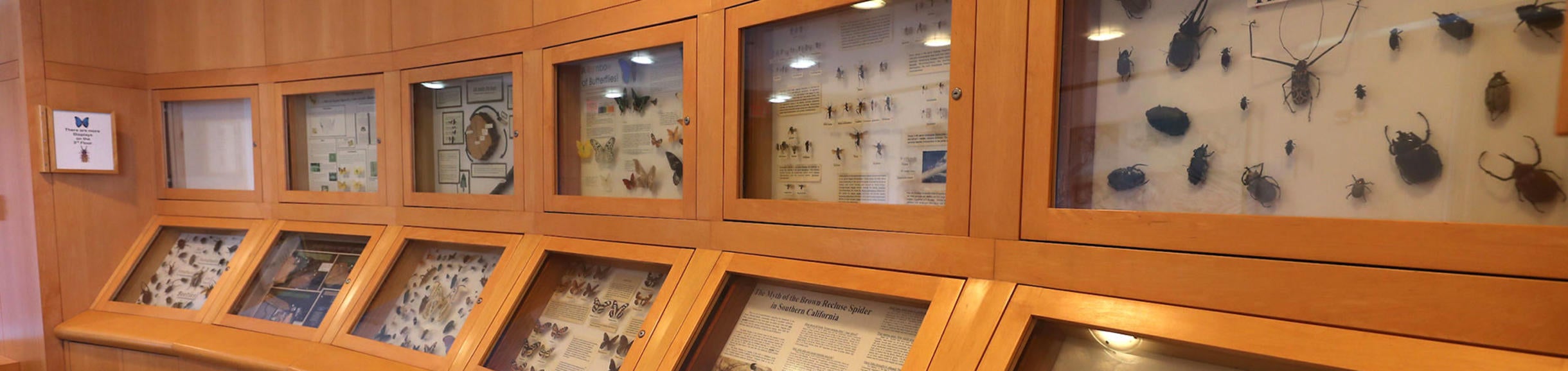
On March 30, 1994 a new building for UCR's large collection of insects and related arthropods was dedicated and given an official name -- the Entomology Research Museum. The lower of two floors in the building houses the collection and provides offices, space for curating and research for its Director, Dr. Serguei V. Triapitsyn, its senior museum scientist, Dr. Doug Yanega, and visiting scientists as well as students. There is a preparations room, a small library/lab room, and a large room for teaching, special seminars, and other events sponsored by the Department of Entomology.
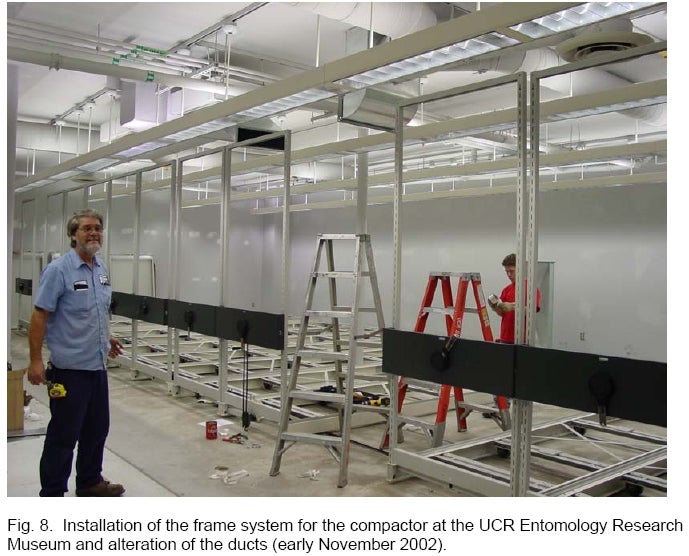
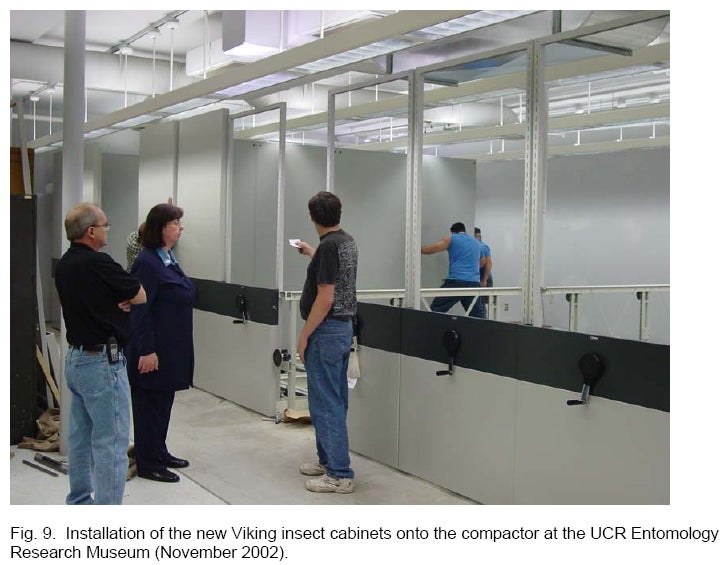
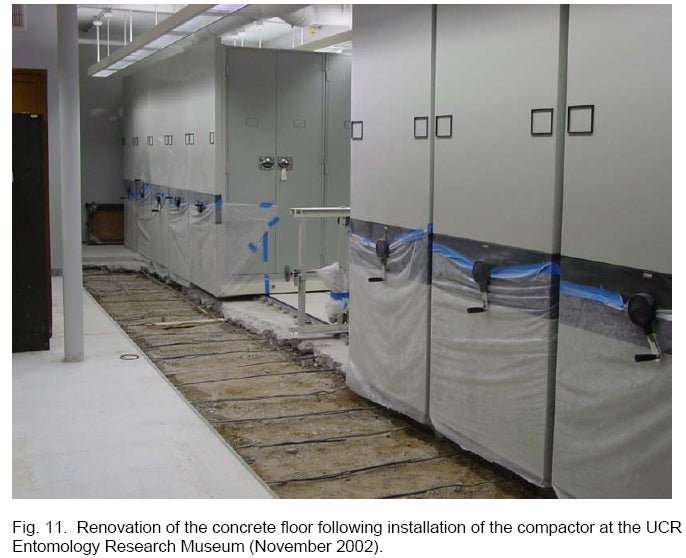
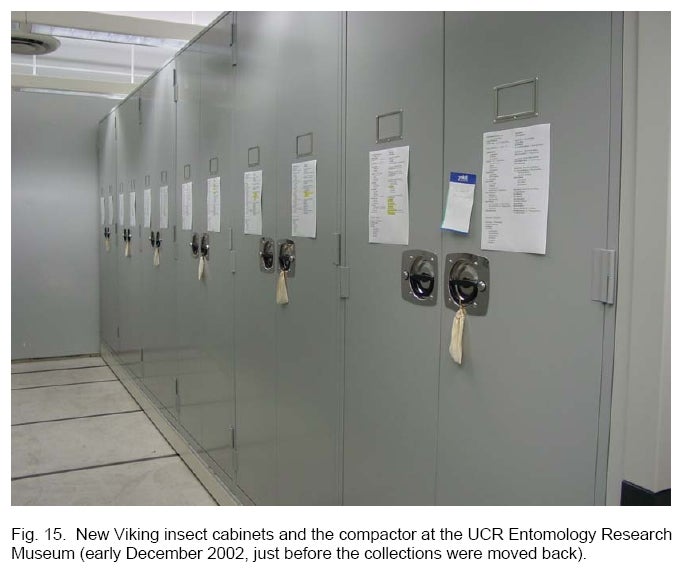
Compactor Installation Process
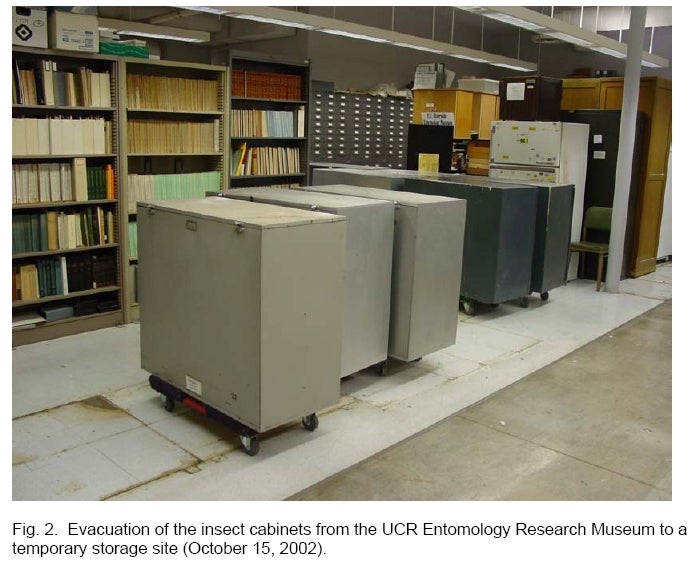
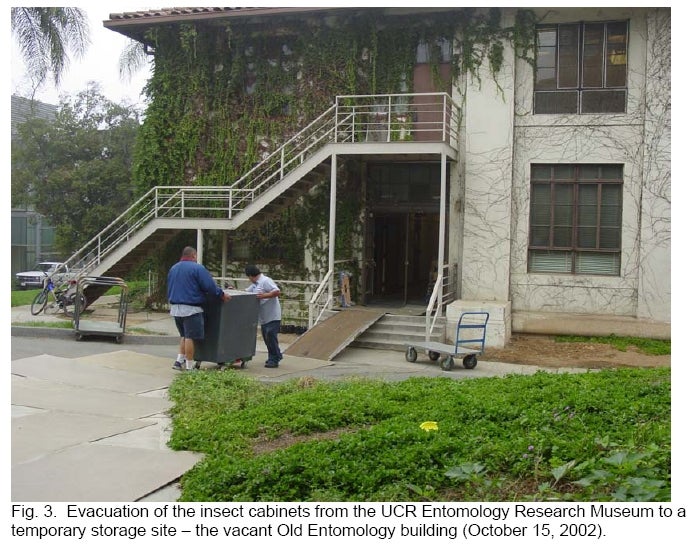
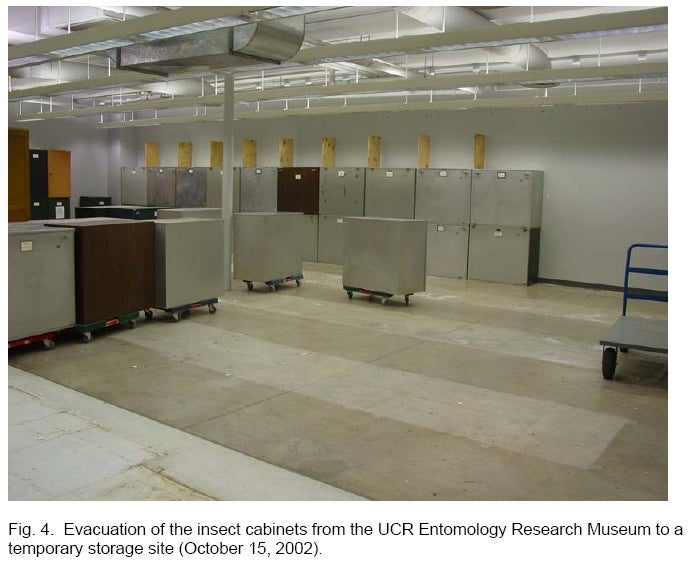
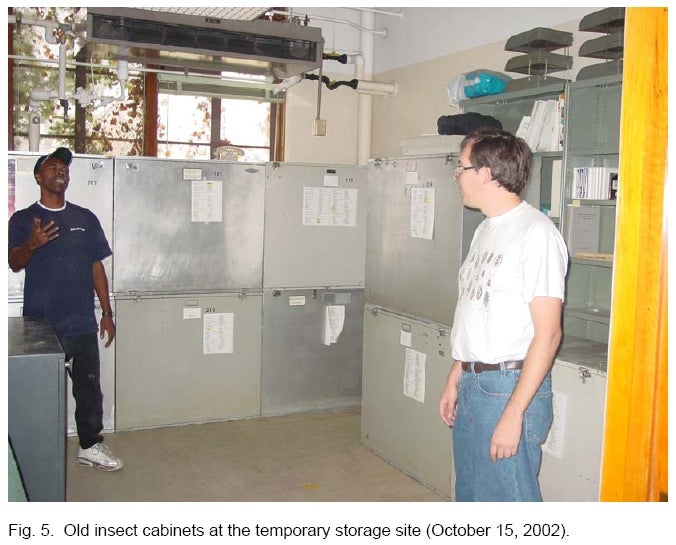
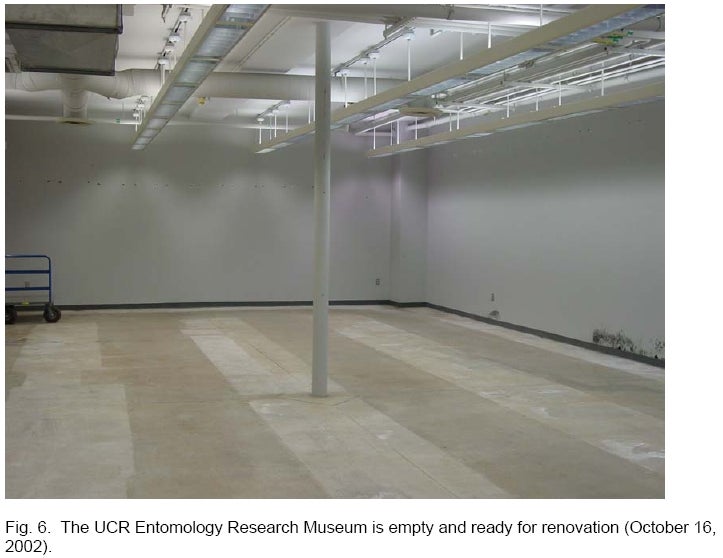
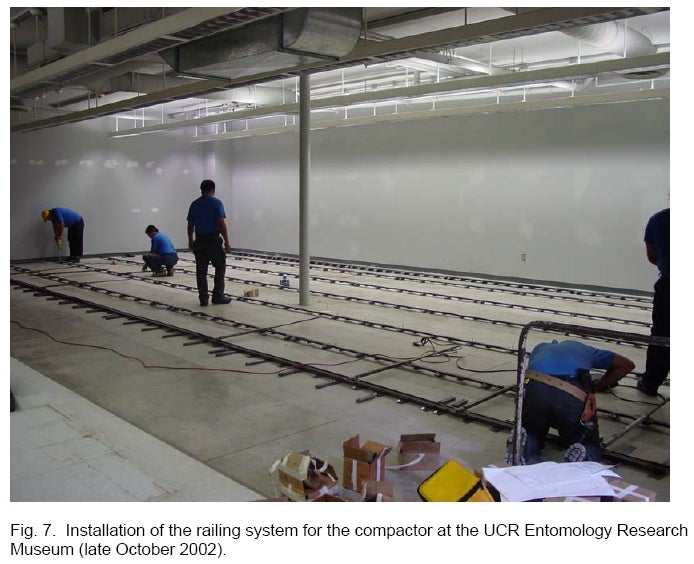
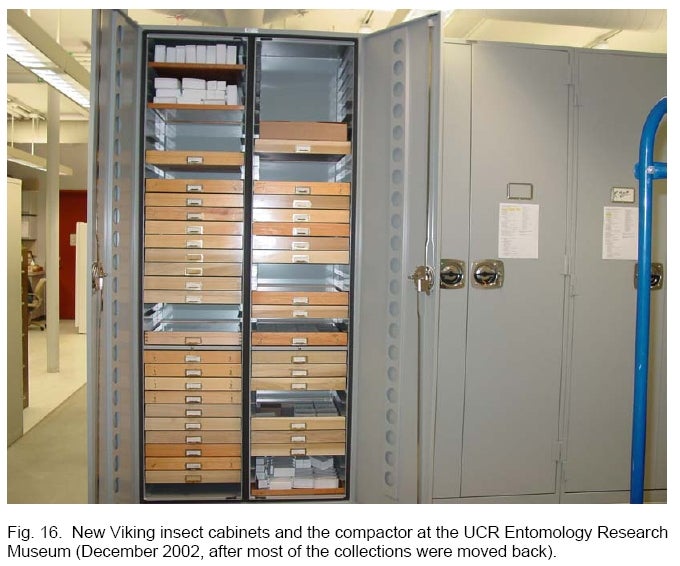
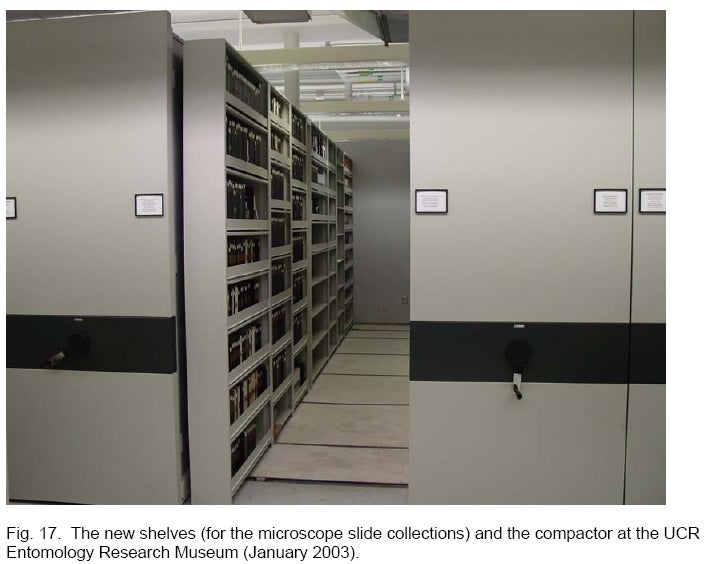
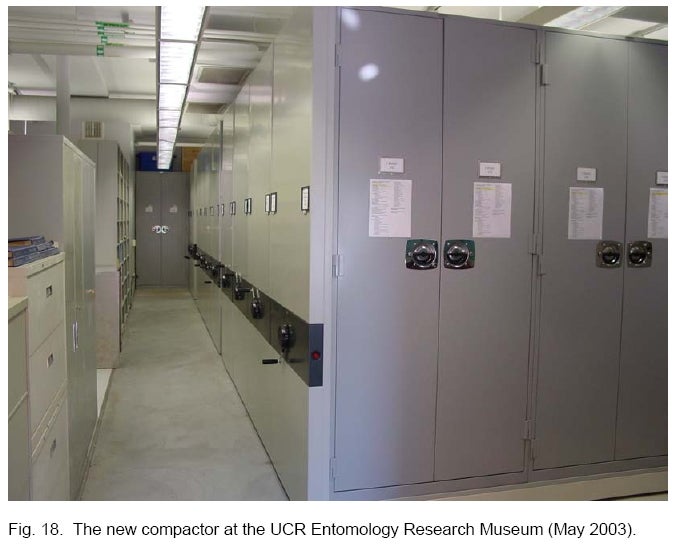
Among the many strengths of UCR's collection are its holdings of native bees and parasitic Hymenoptera, as well as the families Asilidae, Bombyliidae, and Sciomyzidae (Diptera), Coccinellidae, Staphylinidae, and Meloidae (Coleoptera), Aphididae and Miridae (Hemiptera), and the order Thysanoptera. Of particular interest is its large collection of immature insects (the work of the late L.D. Anderson), and an enormous voucher collection from a 10-year faunistic survey of the Boyd Deep Canyon Research Center, a substantial portion of which is now databased. Our holdings, of roughly 4 million specimens (placing it among the 20 largest insect collections in North America), include primarily terrestrial insects from Southern California and Arizona, with strong representations of Mexican insects (primarily Baja California and Sonora), and various other parts of the world including Thailand, Brazil, Honduras, Russia, India, and Australia.
ERM Purpose and Mission Statement

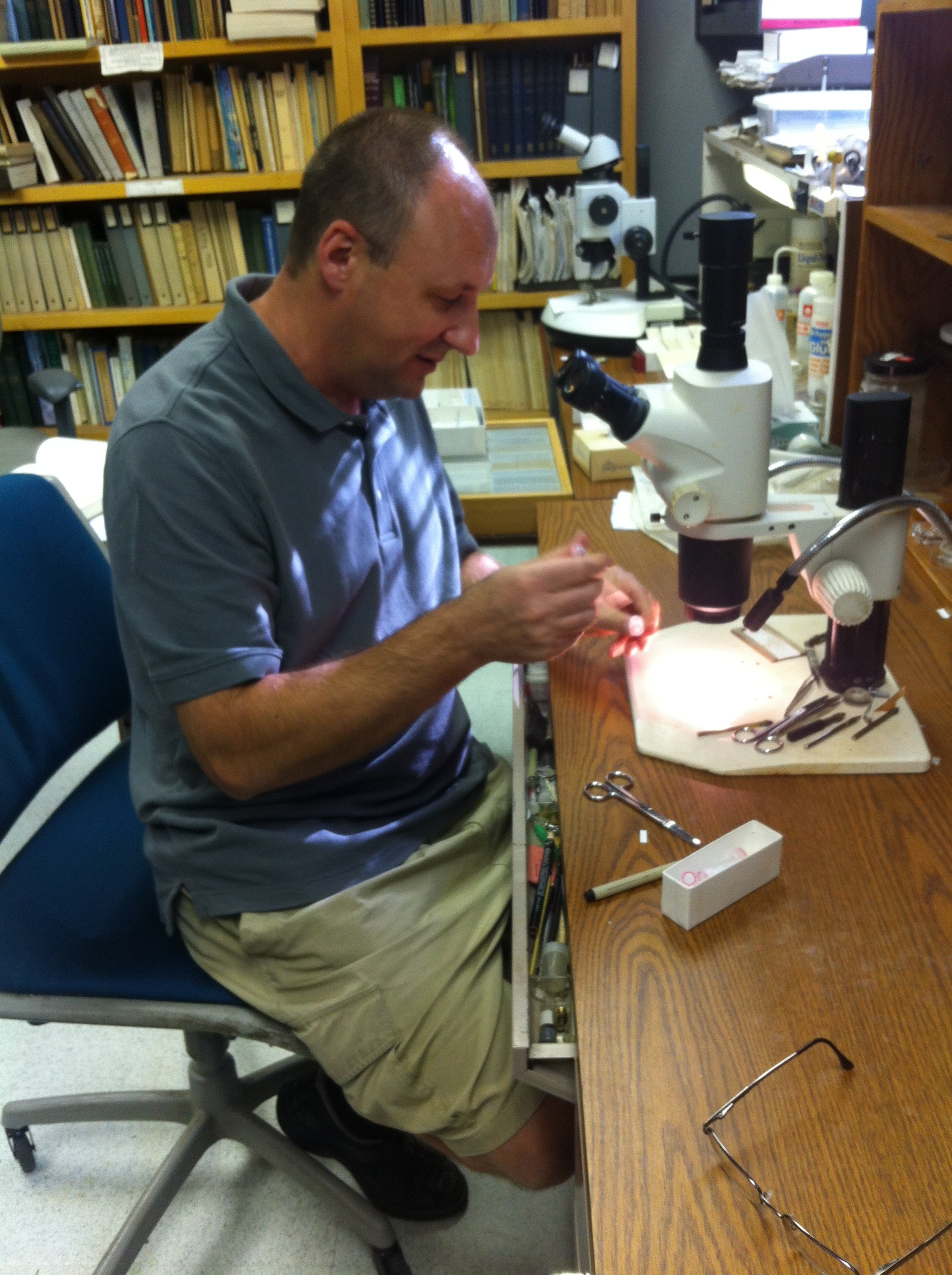
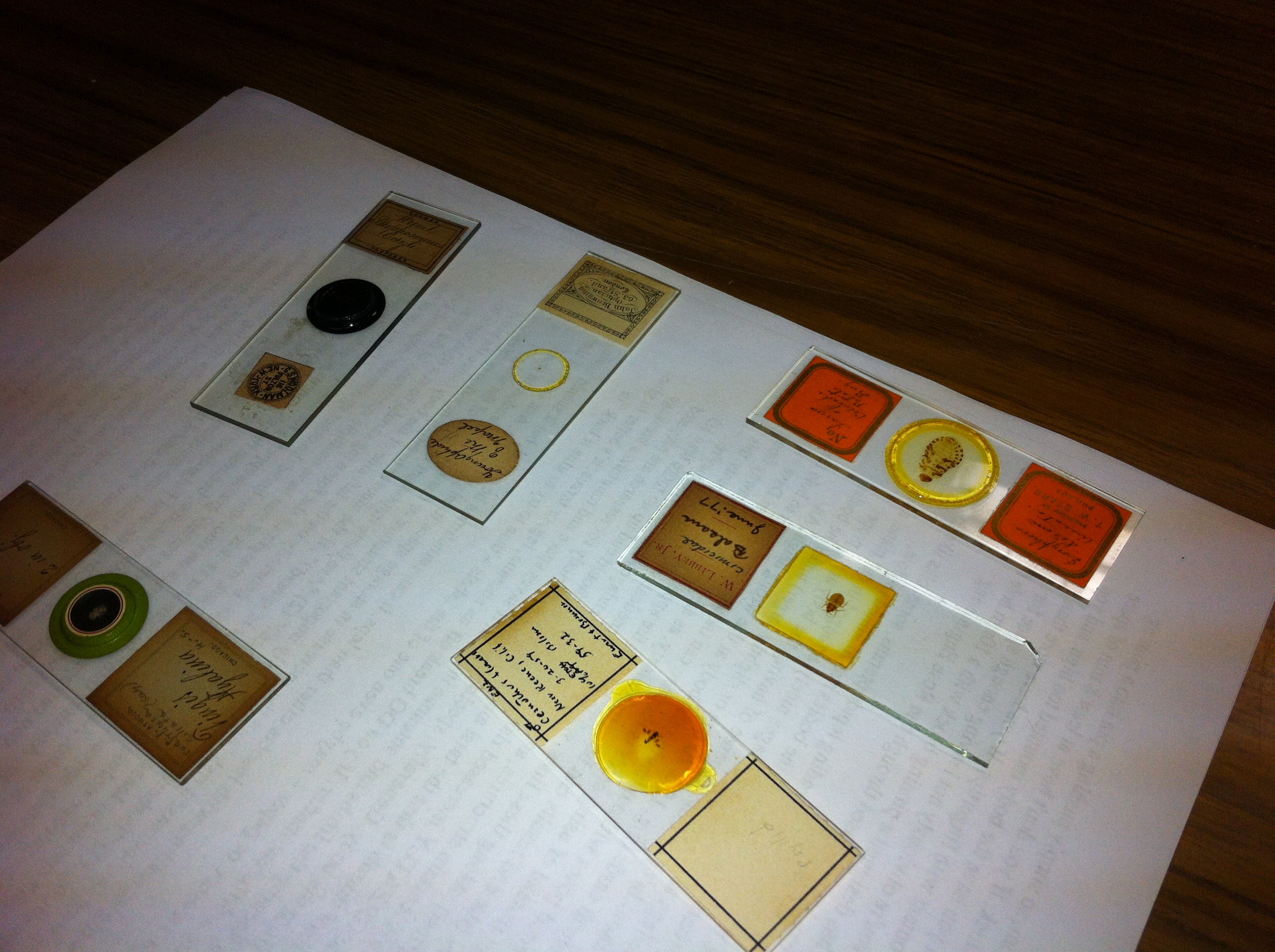
UCR's Entomology Research Museum functions much like any large library; just as no single library has all of the world's books, no insect collection can hold all of the world's insects, and each collection is a part of an international network that cooperates to make specimens available for research. Museum curators, like librarians, are principally responsible for storing and retrieving materials (in this case, mostly insects) of interest to researchers. Curation entails preparation, pinning, slide mounting, or alcohol storage, labeling, identifying, cataloguing, and storing specimens in a systematic manner which permits retrieval at a later date. Because insects and other arthropods often change form as they grow, the different life stages (e.g. egg, caterpillar, chrysalis, and adult butterfly) are often curated differently. Thus, the Entomology Research Museum maintains collections of dried pinned specimens, slide-mounted specimens, and specimens preserved in alcohol and other fluids. Finally, it is important to note that whereas Entomology is the study of insects, the Entomology Research Museum also maintains a small collection of arthropods such as spiders, centipedes, and scorpions, to name but a few.
A closer look at what it is that we do:
- The museum also serves as a repository for voucher specimens associated with research conducted by faculty, staff, and students at the University of California. Because there are so many species of insects and because many of them look very similar, it sometimes happens that what was once thought to be a single species turns out to be two or more. Therefore, it is valuable to be able to go back and re-examine voucher specimens pertaining to past studies in order to reconfirm their identity.
- The museum serves as a repository for specimens representing the local arthropod fauna, as well as sites worldwide. These reference collections are necessary for the identification of species in support of research and for the teaching and training of new students of Entomology.
- Presently, the entire systematics community is very much concerned with the extinction of species and the loss of diversity in communities of living organisms both locally and worldwide. As a consequence, there are ongoing efforts to document as much of life around us as possible. These collections are stored in the world's museums devoted to the biological sciences, including UCR's Entomology Research Museum.
- The museum participates in a worldwide loan program with other individuals and institutions of arthropod materials which are the subjects of research programs.
- With the heightened awareness of animal and plant extinction and the continuing encroachment on formerly wild areas, there is an increasing need to study those areas where man's activities may lead to deleterious alterations of the environment. The museum's collections and valuable specimen-associated data, some of it available online (for over 300,000 specimens) are increasingly being used by researchers and planners in making critical decisions relating to community planning.
- The museum helps train students at both the undergraduate and graduate levels, not only by providing access to specimens for research, but also experience in curatorial techniques and data management protocols essential for careers that make use of museum collections.
- The museum gathers, digests, and disseminates information about arthropods. The media have always drawn on the information from and experience of the museum curators. With the ability to readily provide information to people worldwide through the web, our collection is becoming a resource to more people than ever before.
- The museum serves as a valuable resource for the pest control industry, agriculture, public health, forensic medicine and criminology, environmental biology, as well as the general public. Some of a curator's time is devoted to identifying specimens of interest to the public, such as household and garden pests, biting insects, and agricultural pests.
- The museum has for many years played a distinctive and integral role in educational outreach programs sponsored by the University of California in particular, as well as in response to requests by schools and individuals. We represent our department in activities such as the annual Insect Fair held at Cal Poly Pomona, the Orange County Fair, and UCR's Discover Day. Such activities provide us a means to meet with thousands of individuals and to provide information concerning arthropods. Our contacts with children serve both to enlighten them and inspire them to continue learning about the natural world.
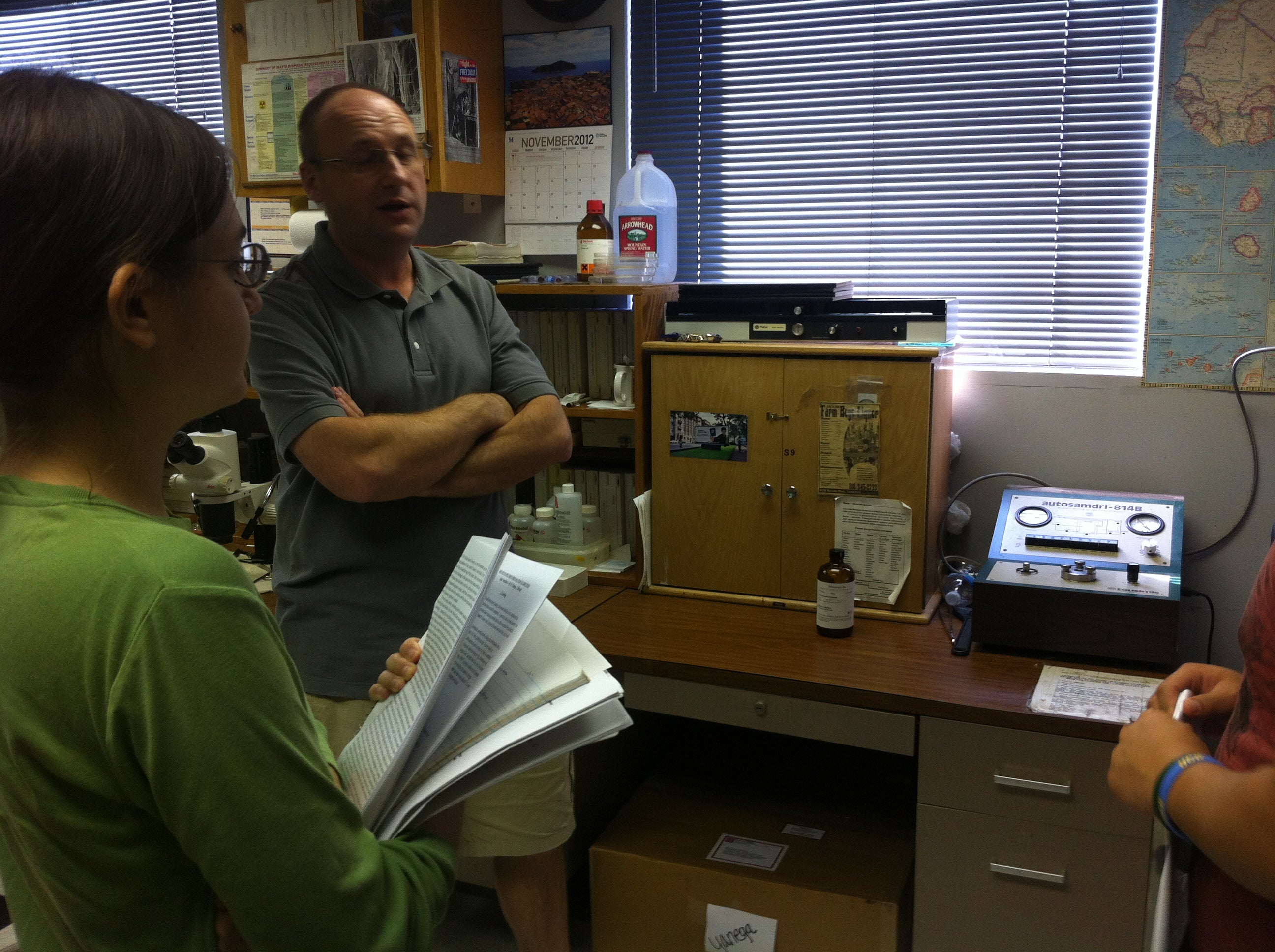
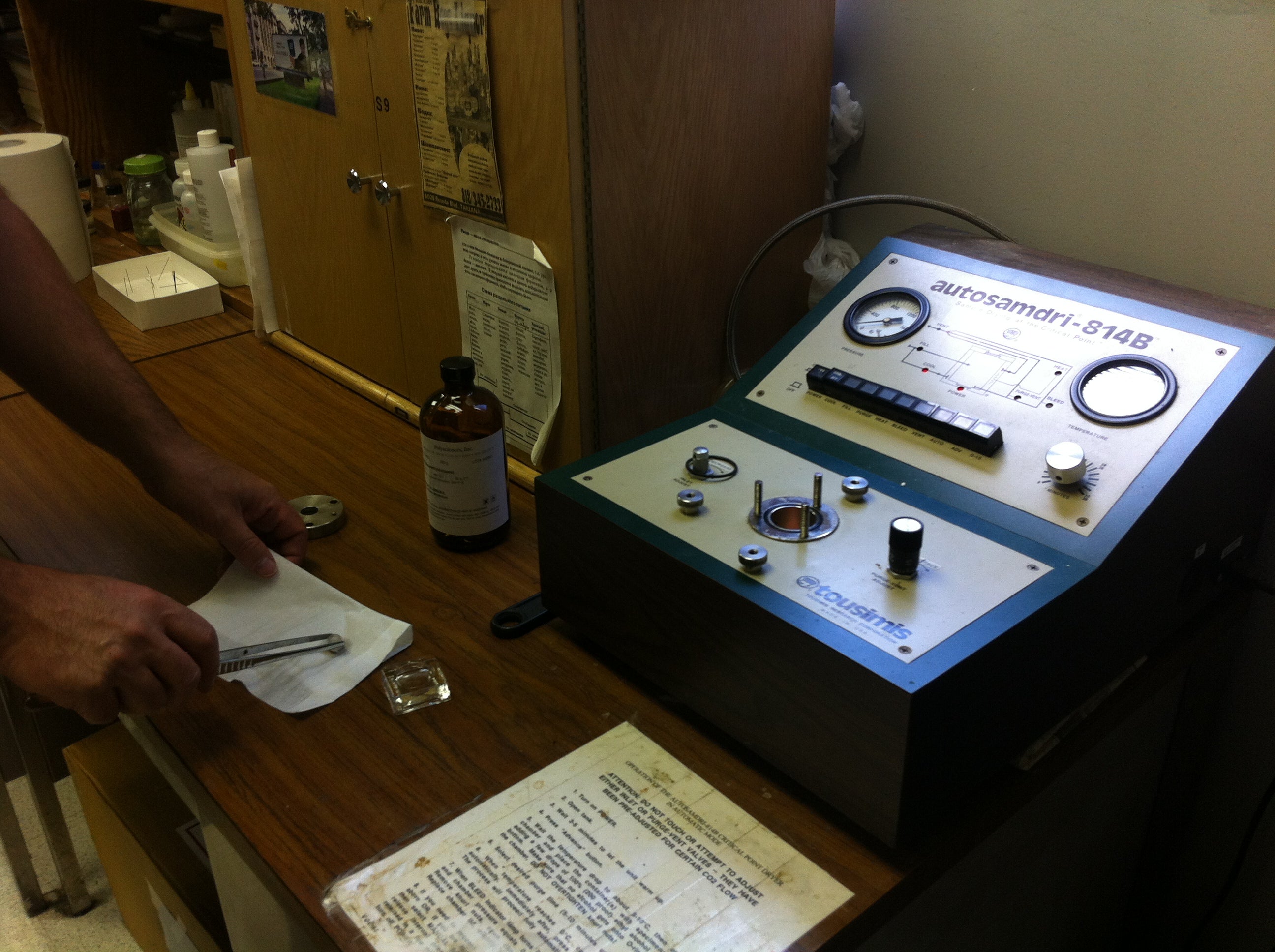
Museum Specimen Preparation Workshop
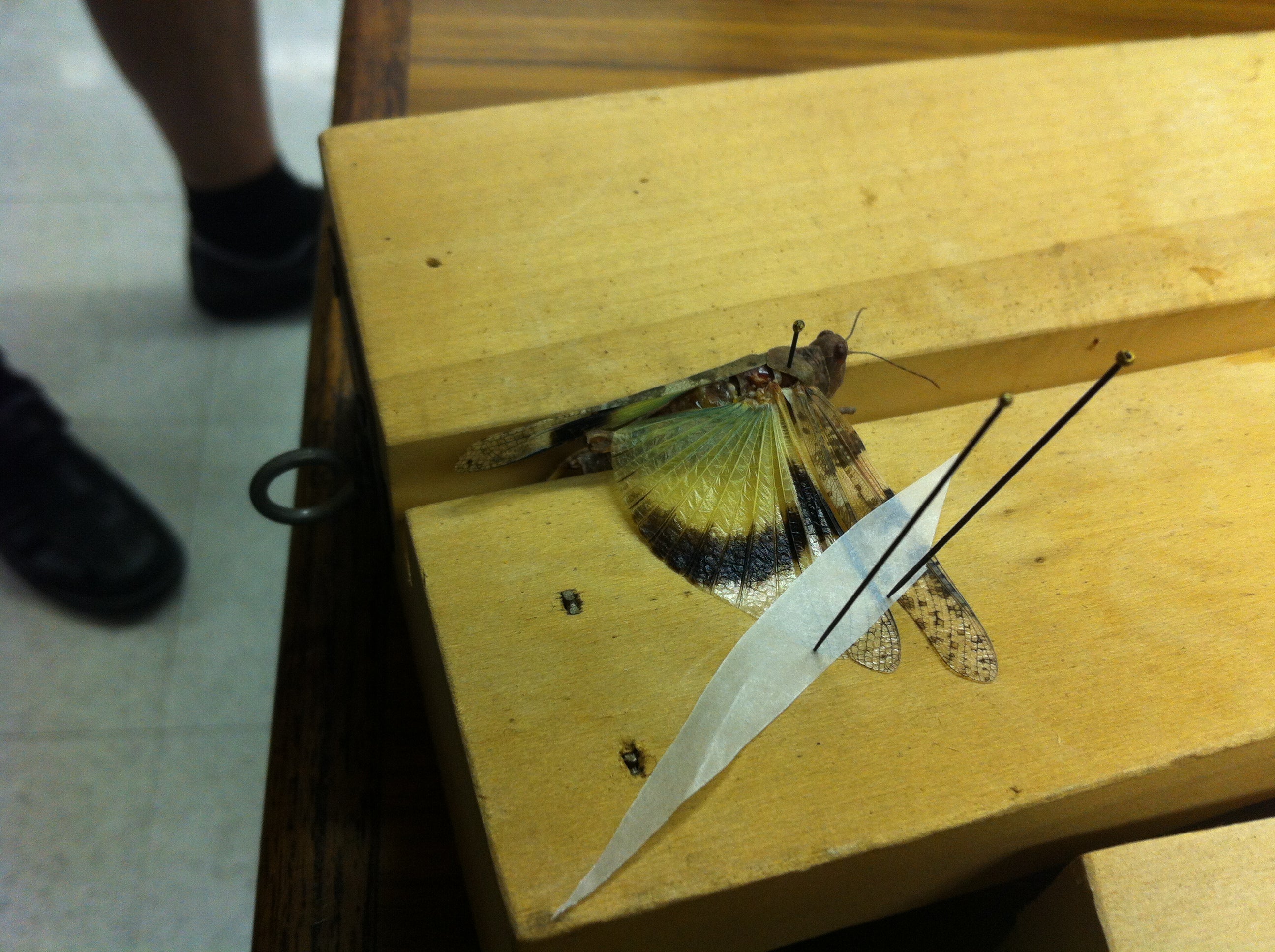
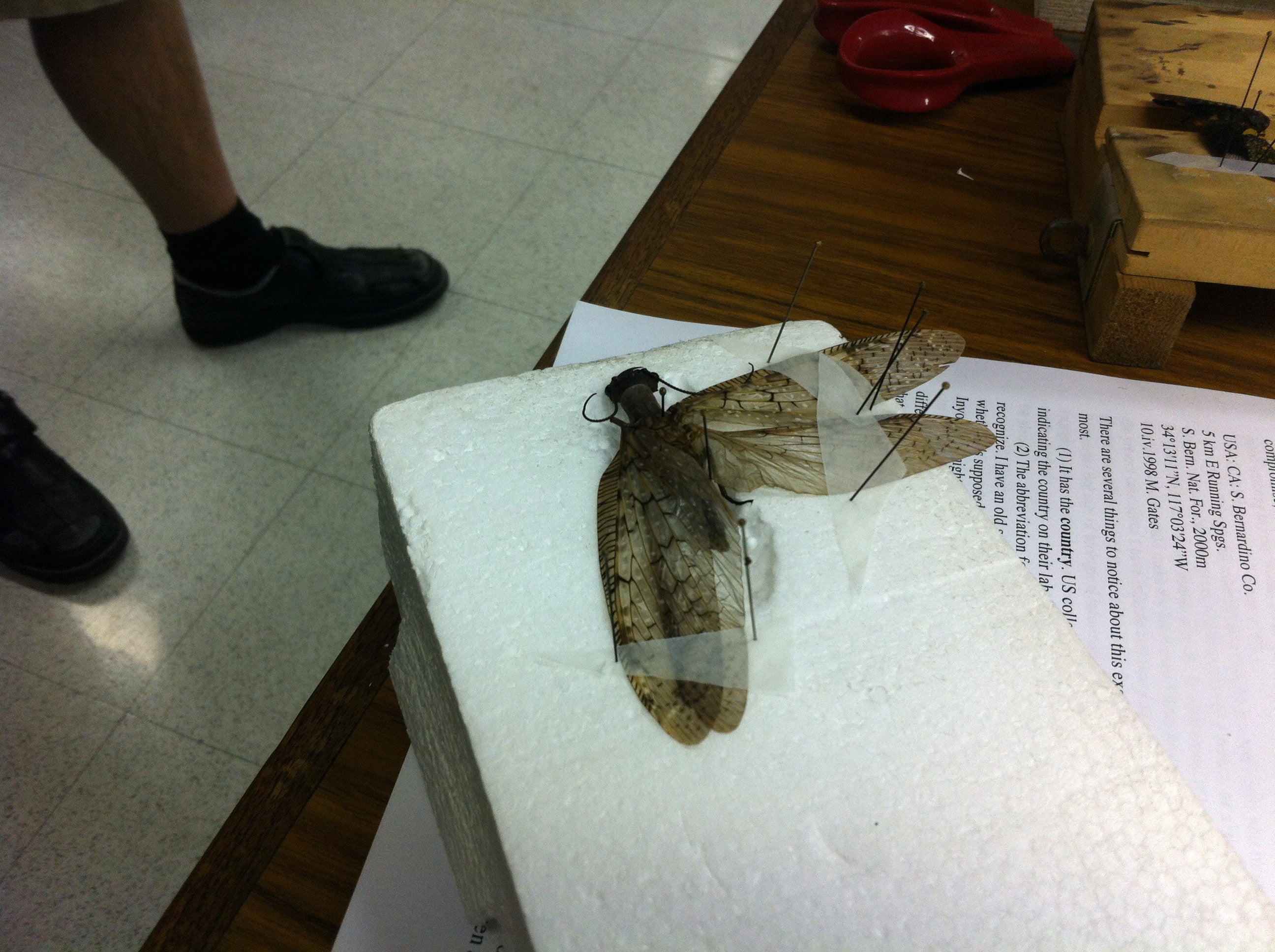
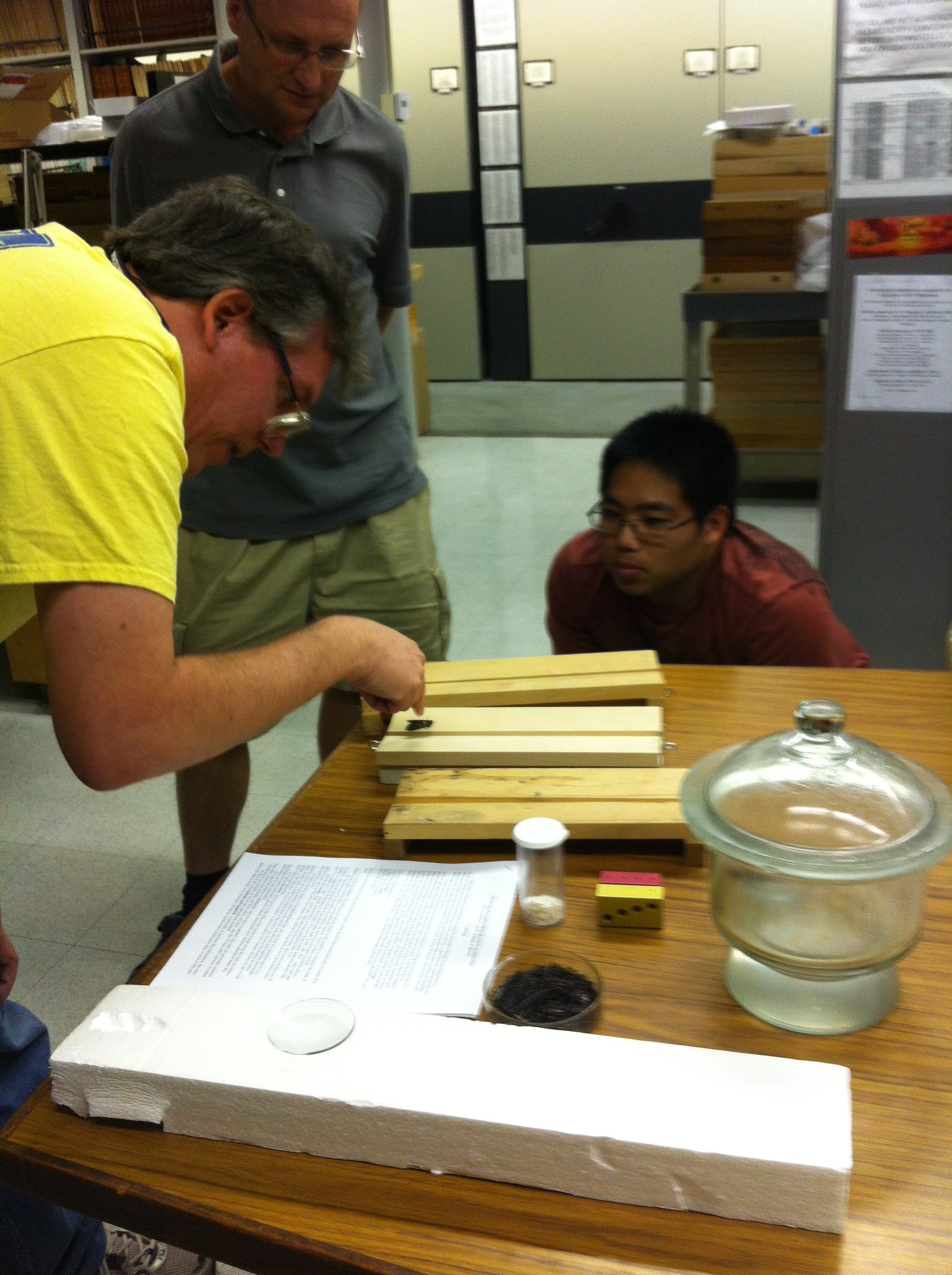
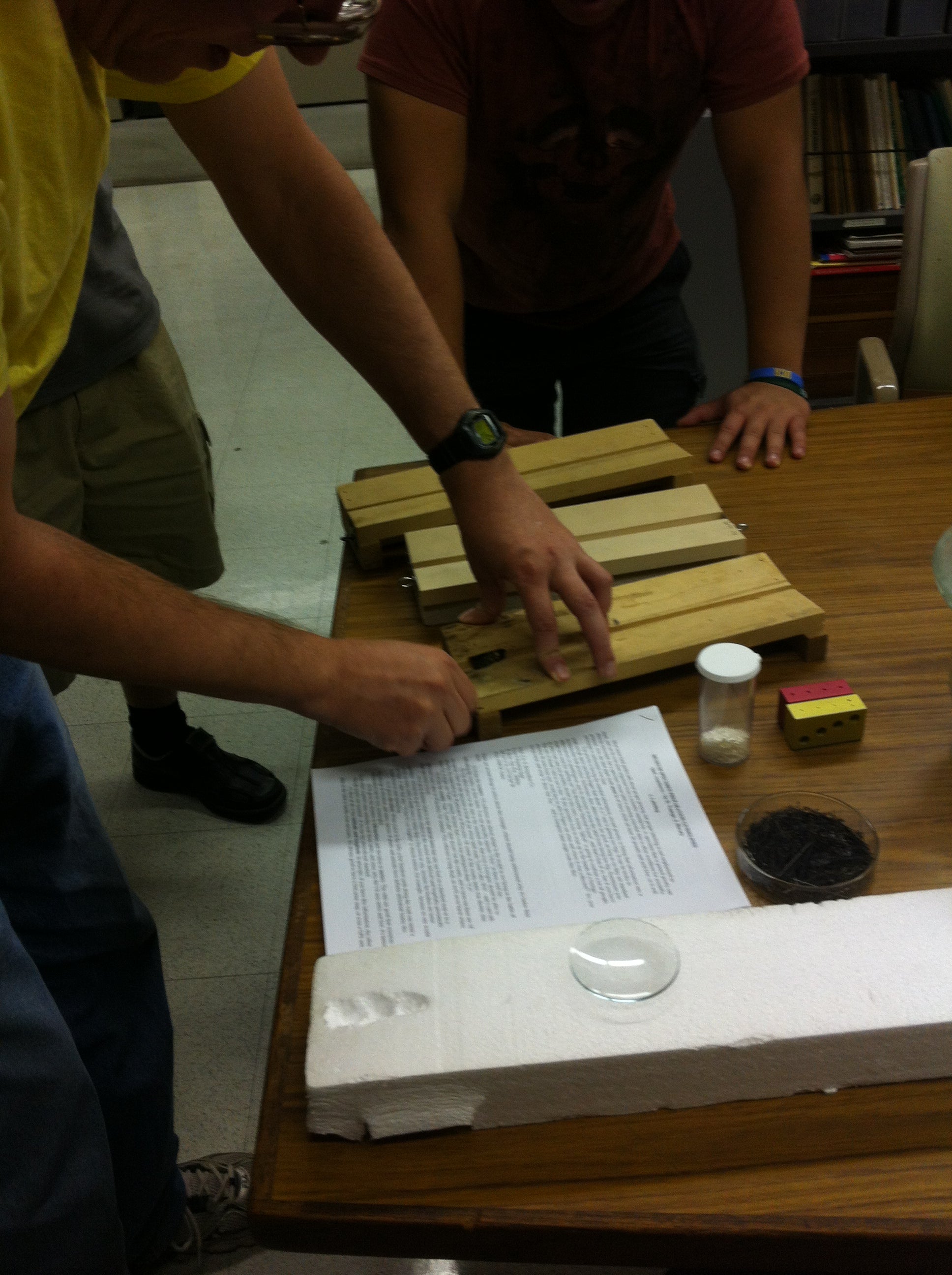
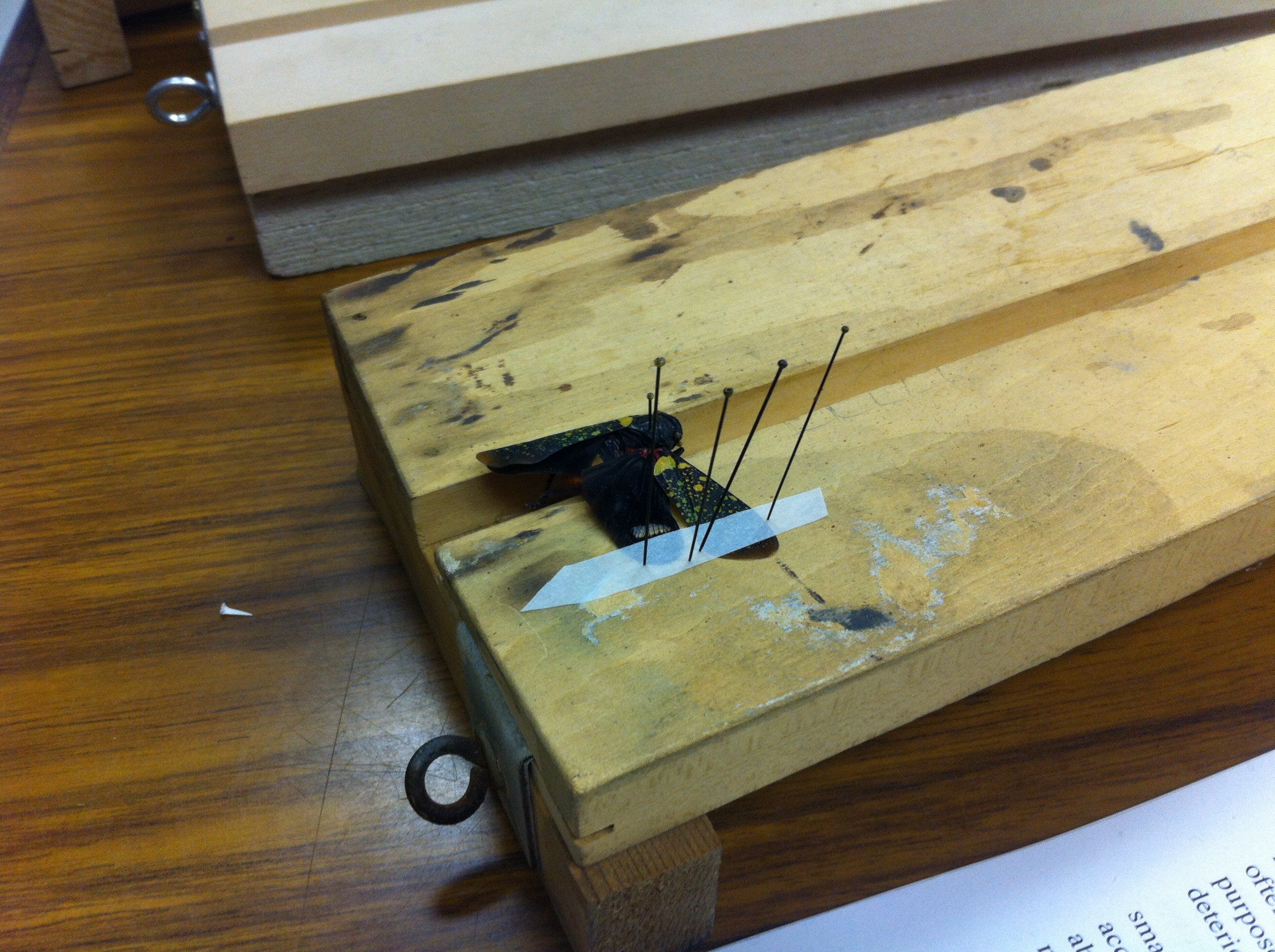
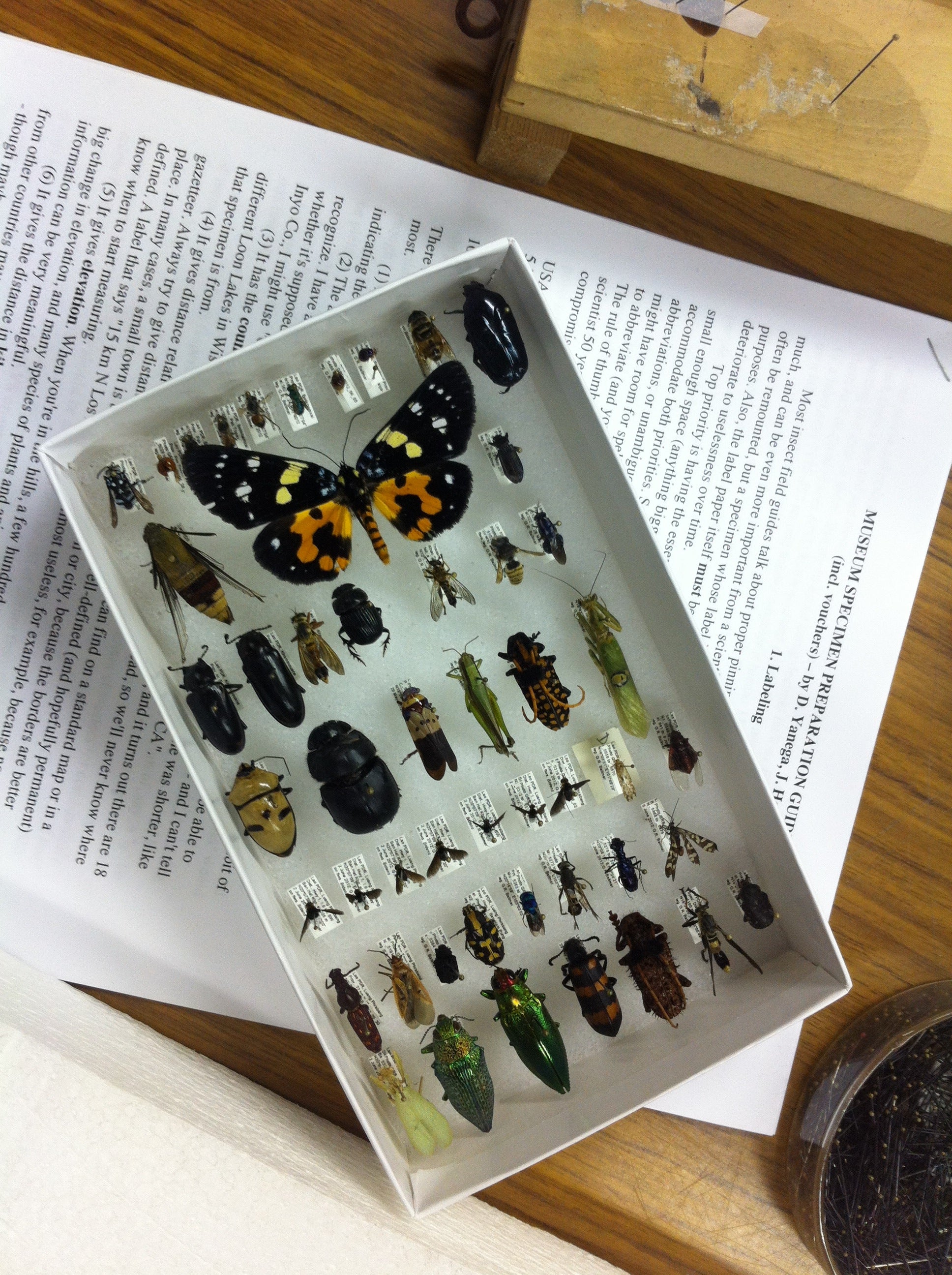
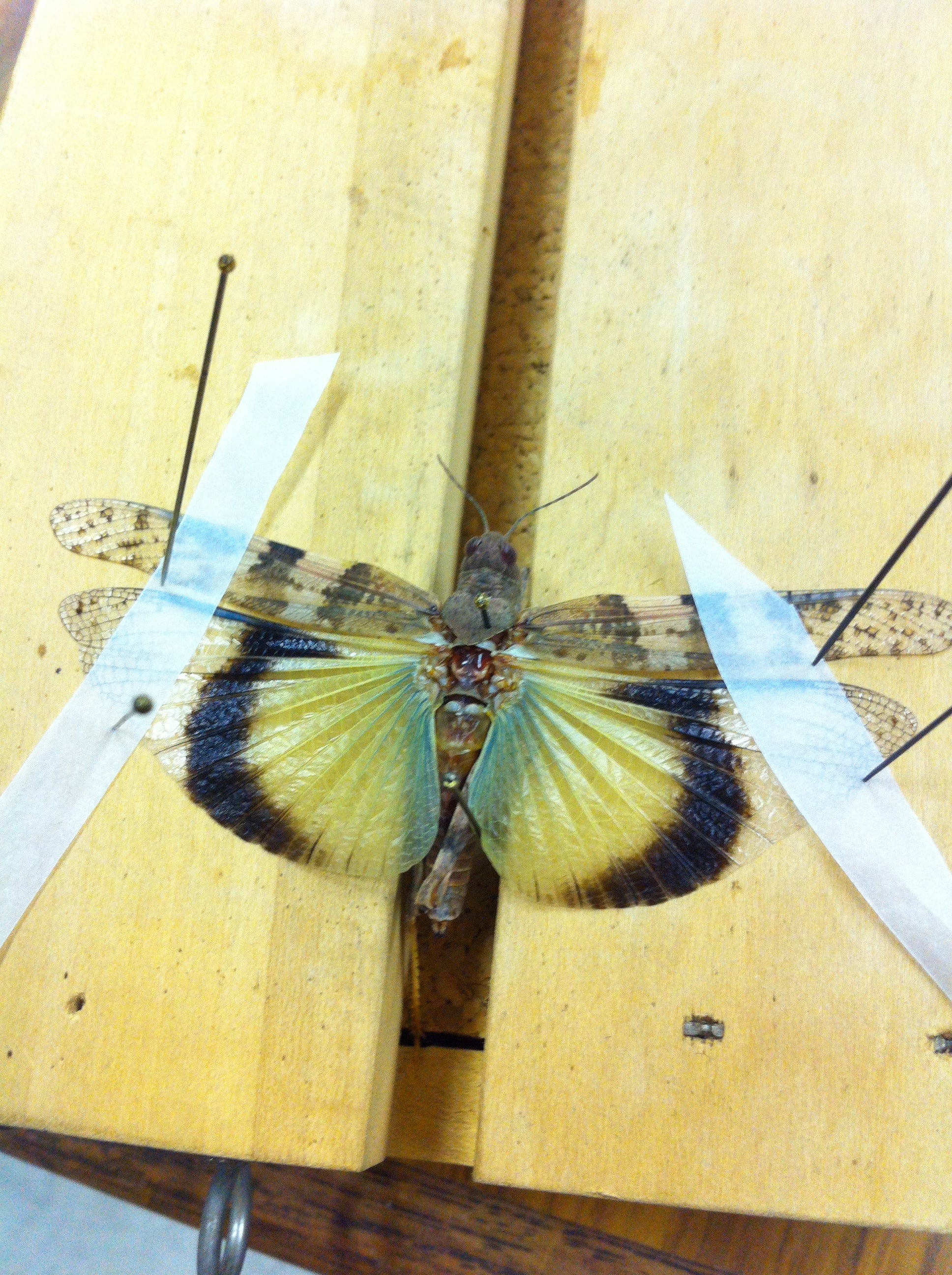
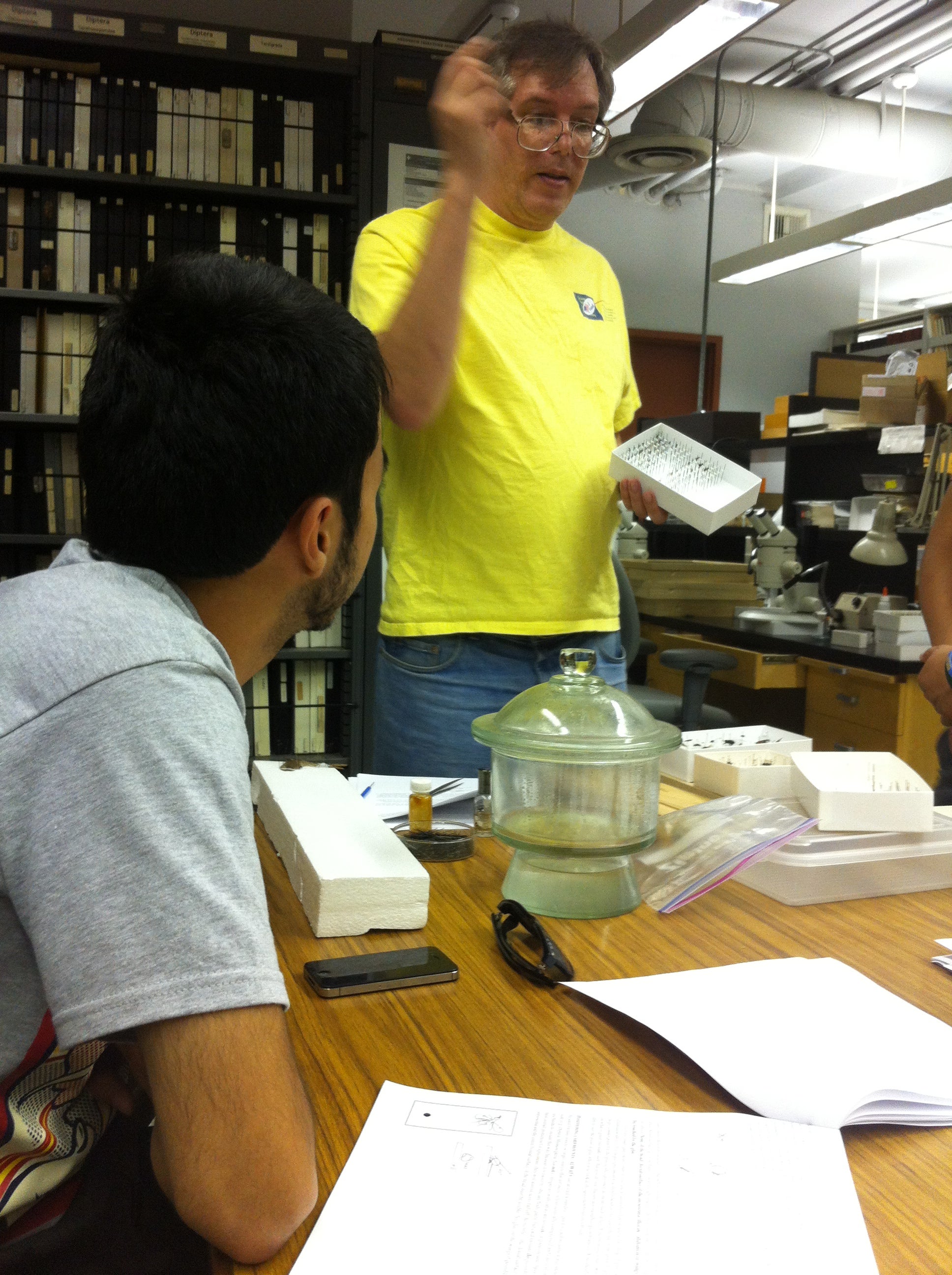
Special sub-collections within the collection.
The Entomology Research Museum maintains several special collections in addition to the general collection:
- Insects not known to be found in the United States which are known to be pests elsewhere. This collection provides a necessary reference to entomologists concerned with insects that could become economically important were they to invade the United States and become established.
- The Boyd Desert Research Center at Deep Canyon, part of the University of California's Natural Reserve System, is the site of considerable scientific and anthropological study. The Entomology Research Museum is the driving force behind the development of an arthropod inventory. Our intensive 10-year collection may well be the best collection of its kind anywhere in the world for a desert preserve.
- The Museum maintains the Lauren David Anderson collection of insects preserved in their immature stages. This collection is an extremely valuable research and teaching collection.
Some particular strengths of the collection.
The museum has developed particularly strong holdings in the following taxa:
- Native wild bees, especially of California,
- several groups of Chalcidoid wasps, an important superfamily of parasitoid Hymenoptera,
- several groups of Asiloid flies, especially of California,
- the Thysanoptera, and
- the family Meloidae (Coleoptera).
We accomplish all of the above by accepting, gathering, curating, and storing arthropod specimens from all over the world in a pest-free environment. We gather and disseminate data based upon specimen label data, as well as the field and laboratory experience of our staff and others associated with the collection, and through our contacts worldwide.
Prepared by Saul I. Frommer, Senior Museum Scientist (retired), and Gregrory R. Ballmer, Staff Research Associate, 30 May 1997
Updated by Doug Yanega, 9 April 2013